JIANBANG PAINT News

Company & Industry Updates

Project deliveries, technical insights, certifications and company milestones.

OCT 26, 2026 · PROJECT NEWS

Shangzheng Youjiang Grand Bridge Successfully Closed — JIANBANG Coatings Protect a Major Guangxi Infrastructure Project
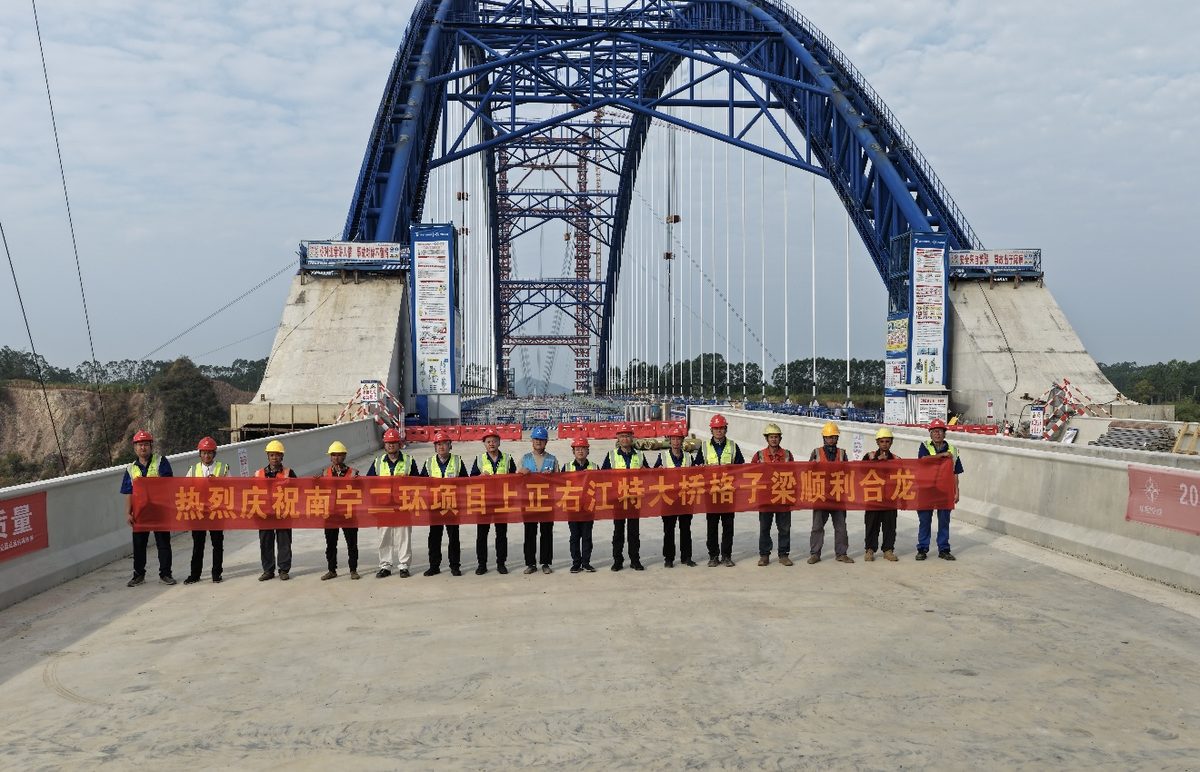
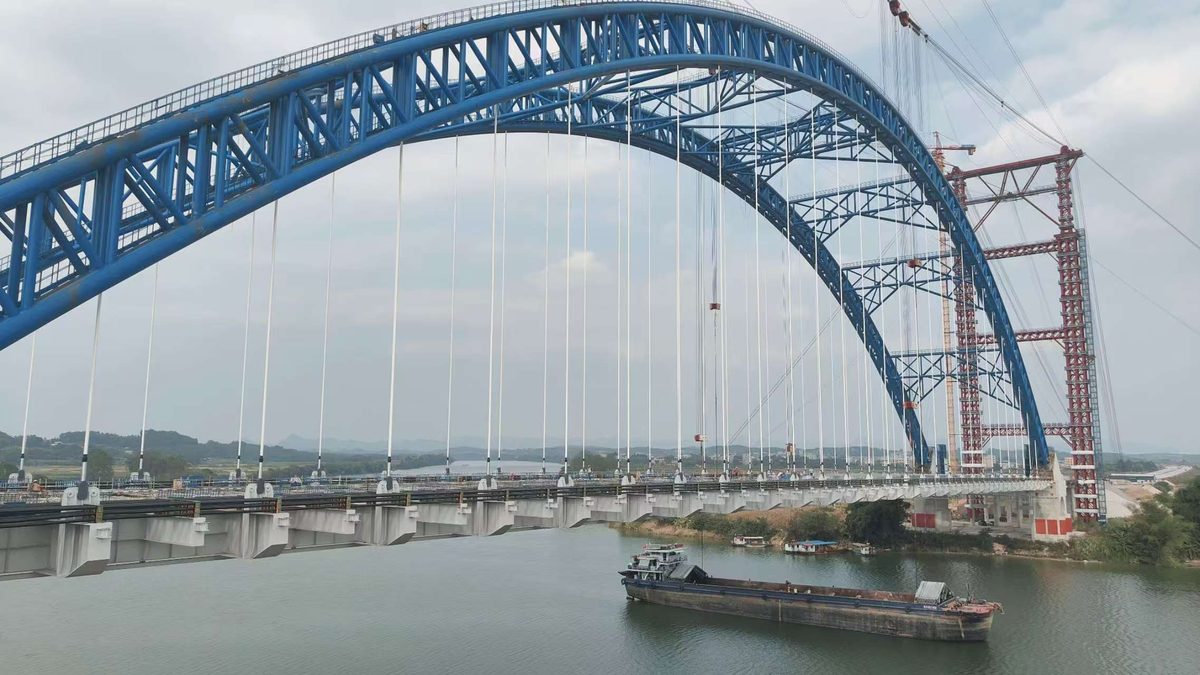
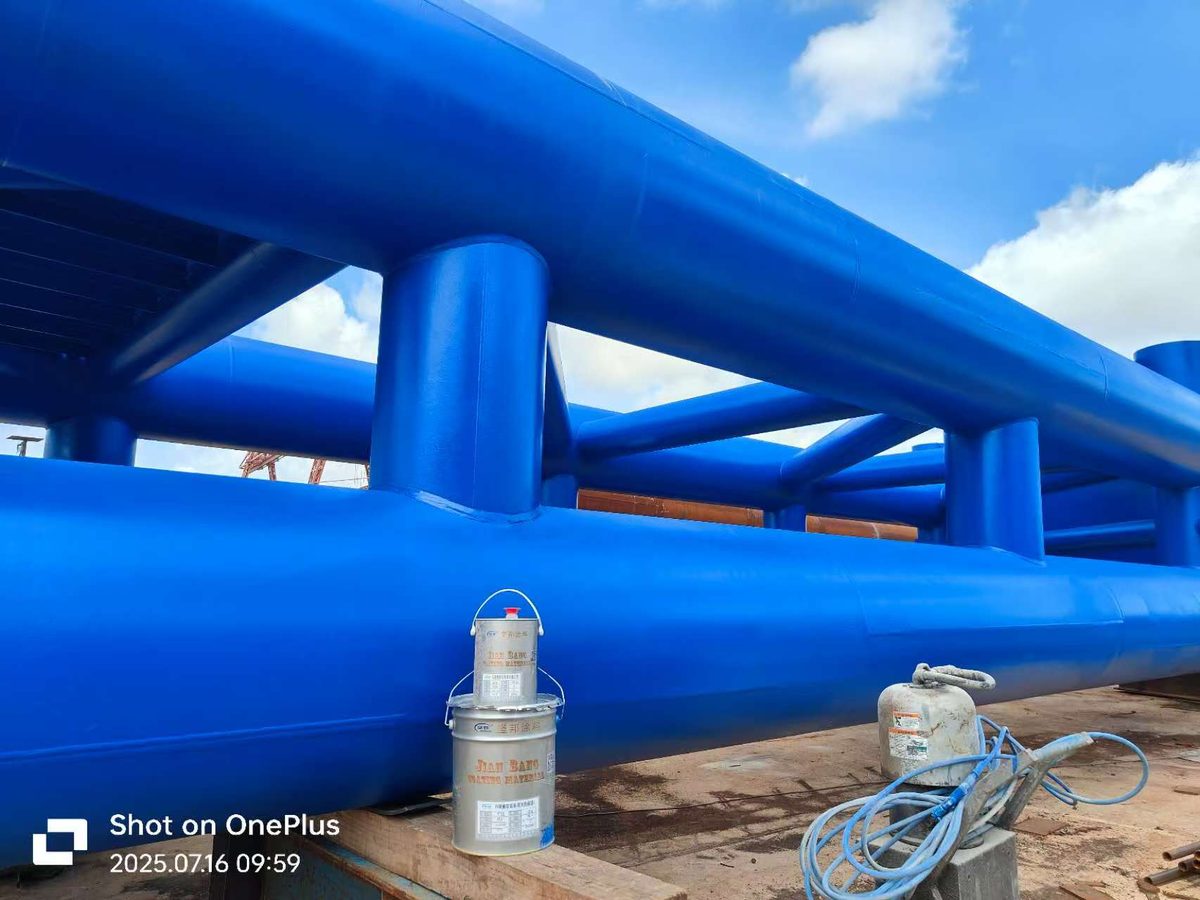
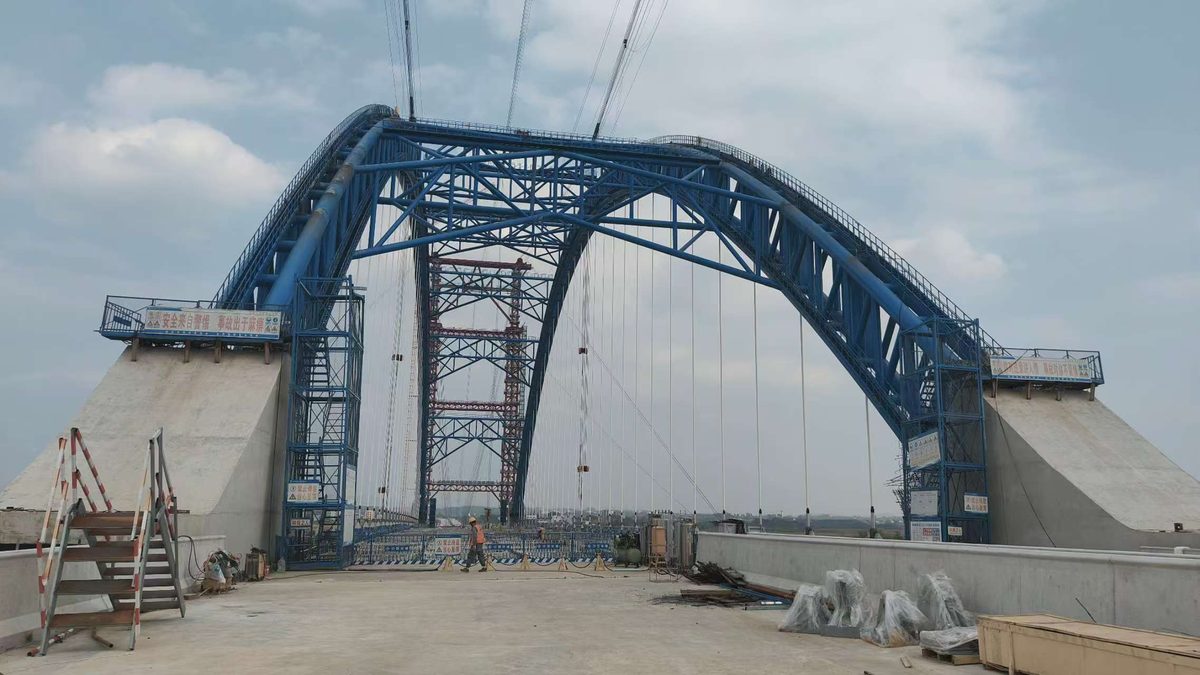
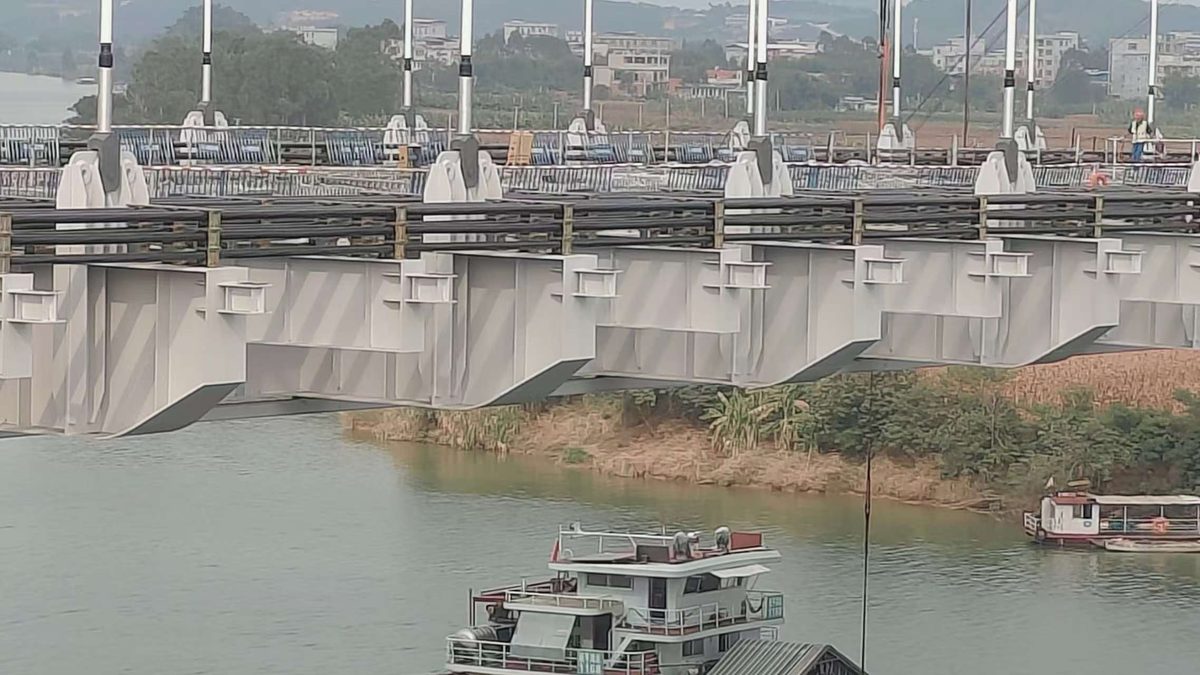
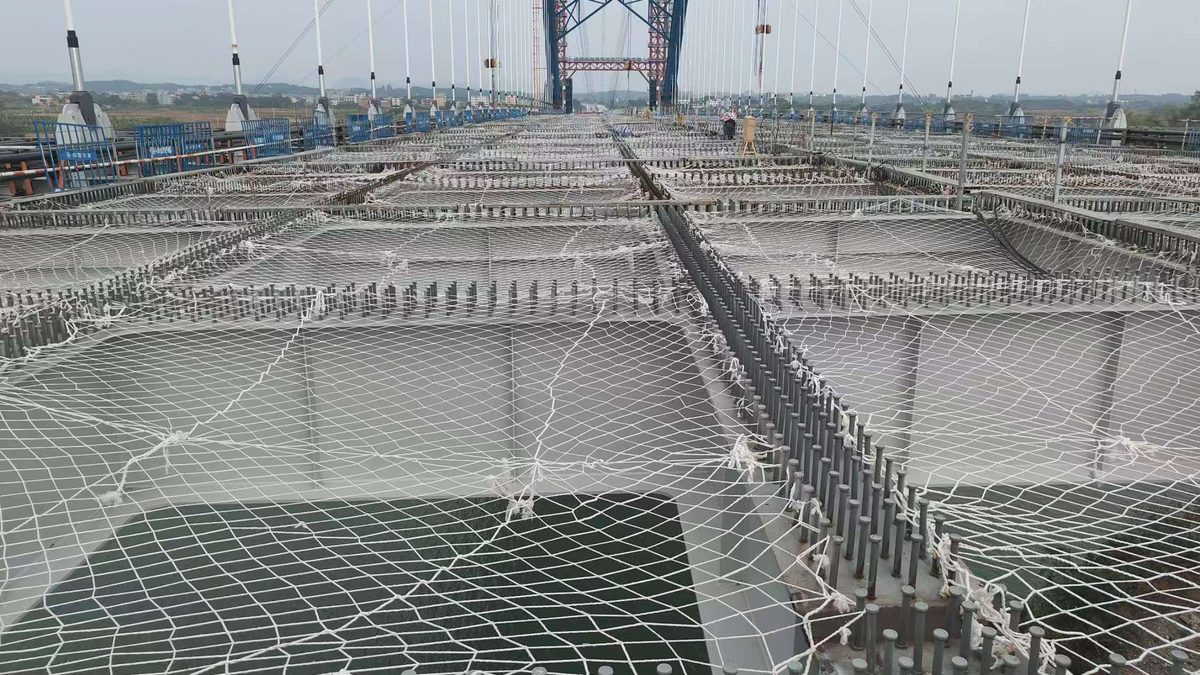
Celebration of grid girder closure of Shangzheng Youjiang Grand Bridge Panoramic view of Shangzheng Youjiang Grand Bridge over the Youjiang channel JIANBANG coated steel structure with JIANBANG paint pails on site Arch rib construction of the Shangzheng Youjiang Grand Bridge Coated steel grid girder of the bridge deck Bridge deck construction with shear studs and safety nets

Great news! The steel arch rib of the Shangzheng Youjiang Bridge — a key control project of the Nanning Southern Bypass Expressway (Wuxu Airport to Long'an Extension) — has been successfully closed. The project now enters the deck hoisting and installation phase. JIANBANG Coatings, as the supplier of the complete anti-corrosion coating system for the bridge's steel structure, protects the long-term safety of this "steel dragon" as it spans the Youjiang River with quality coatings.

The Shangzheng Youjiang Bridge is a 288-meter half-through concrete-filled steel tube tied arch bridge crossing the Youjiang waterway. It is a key expressway infrastructure project in Guangxi and an important component of the Nanning Second Ring Expressway, playing a significant role in smoothing the logistics and sea-access corridor of Southwest China.

Steel structures of bridges stand close to water with high humidity, facing an extremely harsh corrosive environment. For a major bridge, anti-corrosion quality directly determines its service life — once the coating fails, steel reinforcement rusts and the structure loses stability, and the later maintenance cost far exceeds the original protection investment. The complete anti-corrosion coating system for the steel structure of this project — epoxy zinc-rich primer, epoxy micaceous iron oxide intermediate paint, and aliphatic polyurethane topcoat — was fully supplied by JIANBANG Coatings.

Anti-corrosion for a waterfront steel bridge relies on a layered, multi-defense system rather than a single coat:

Epoxy zinc-rich primer: Based on the cathodic protection principle, it establishes a rust-resistant base layer on the steel substrate with excellent adhesion, firmly gripping the steel surface.

Epoxy micaceous iron oxide intermediate paint: Its mica-iron flake structure stacks layer by layer, greatly extending the moisture penetration path and strengthening the barrier protection.

Aliphatic polyurethane topcoat: Offers excellent weather resistance, resisting UV aging, and staying free from chalking, gloss loss, and discoloration under long-term outdoor exposure, durably protecting both appearance and protection.

With the three coats working together — primer, intermediate, and topcoat each performing its role — the system withstands the combined high-temperature, high-humidity, and waterfront corrosion conditions along the Youjiang River.

Since its founding in 2001, JIANBANG Coatings (Jiangsu Bangjie Anti-Corrosion & Insulation Technology Co., Ltd.) has focused on the heavy anti-corrosion field for over two decades. It is one of the drafting units of the National Standard for Cold Zinc Coating and the HFVC Standard, an authorized supplier of CNPC and Sinopec, and holds 8 invention patents. From the Hong Kong-Zhuhai-Macao Bridge to the Jakarta-Bandung High-Speed Railway, from nuclear power to LNG, from seven major domestic refining & petrochemical bases to infrastructure across Indonesia — JIANBANG's coatings are applied in demanding, high-stakes environments.

It is precisely this accumulation of treating extreme service conditions as routine that enables JIANBANG to take on large-scale infrastructure projects with extremely high anti-corrosion lifespan requirements like the Shangzheng Youjiang Bridge, providing a complete, implementable, and verifiable anti-corrosion solution — from formula selection and coating pairing to on-site technical service.

JIANBANG Coatings continues to deepen its work in the heavy anti-corrosion field, providing complete anti-corrosion solutions for major domestic bridges and steel structure projects, protecting infrastructure safety with quality coatings.
OCT 22, 2026 · COMPANY NEWS

Third Kazakh Customer Delegation Visits JIANBANG — Aliphatic Polyurethane Topcoat Wins Continued Recognition in Kazakhstan

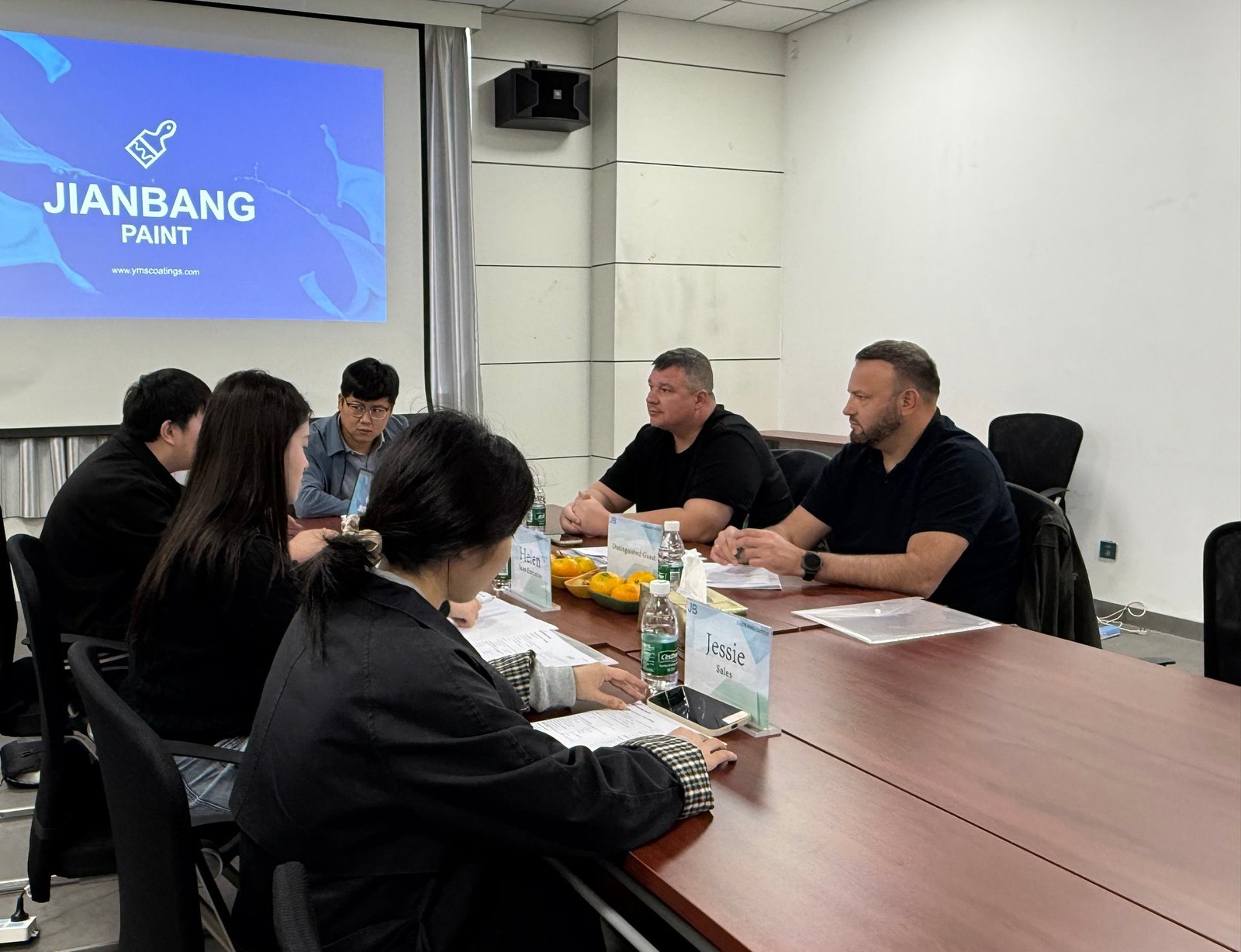
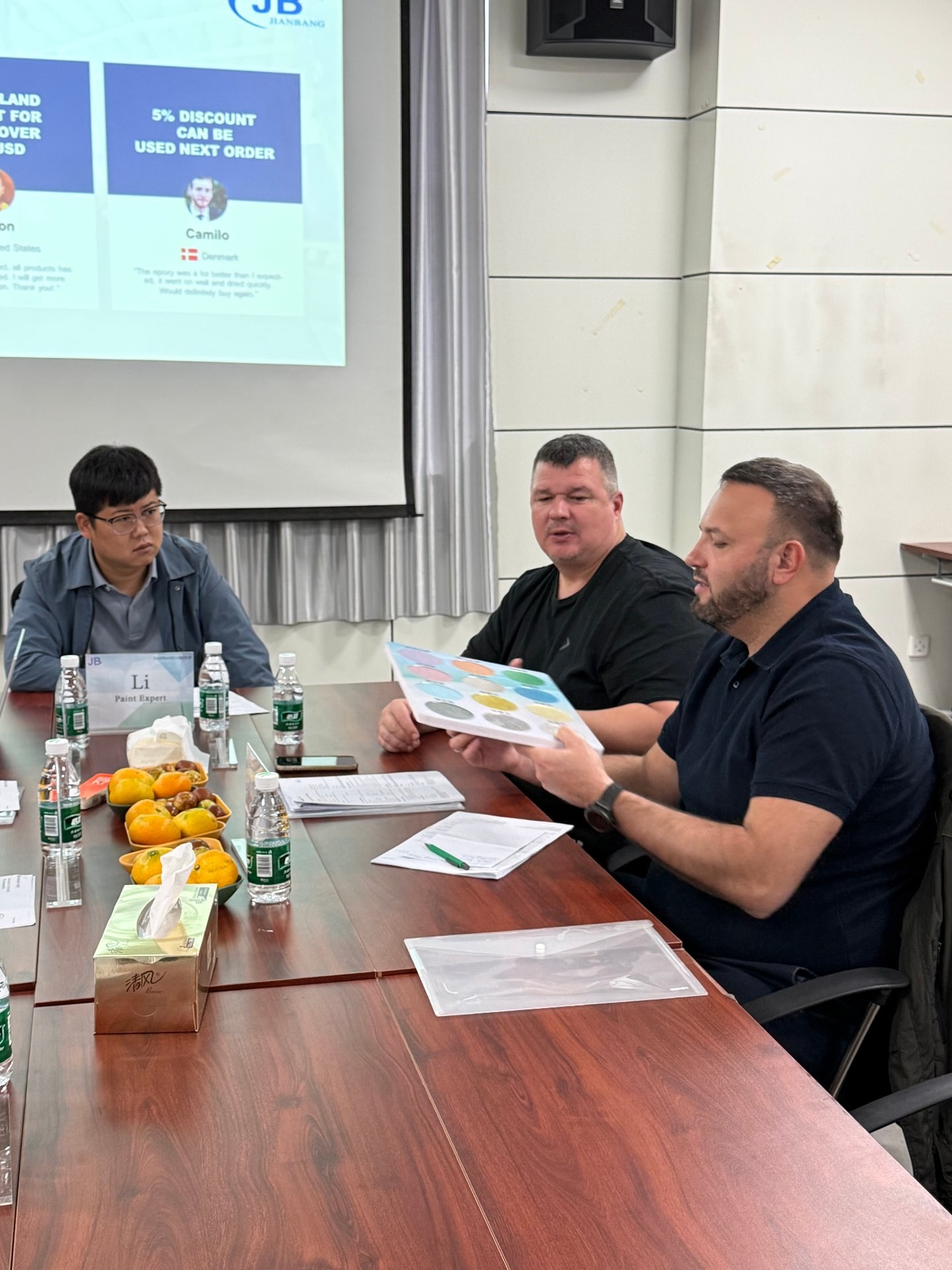
Kazakh customer delegation meeting at JIANBANG Paint Product presentation and color-sample review with Kazakh customers

Today JIANBANG Paint welcomed the third customer delegation from Kazakhstan within a year. Following the batch adoption of our aliphatic polyurethane topcoat by one of the largest local customers in Kazakhstan, word-of-mouth has kept spreading — new customers now arrive on referral, one batch after another.

Anti-corrosion duty in Kazakhstan is severe: wide day-night temperature swings, intense UV radiation and dry saline conditions make ordinary topcoats lose gloss, chalk and crack within a few years. The leading local customer had long used a topcoat system from PPG, a leading international brand. After comparing field panels and lab test data, they switched to the JIANBANG aliphatic polyurethane topcoat. Through a full winter–summer exposure cycle the coating retained its gloss and color with no chalking or cracking — performing on par with the international benchmark, and turning the customer into a living reference for JIANBANG in Kazakhstan.

The JIANBANG aliphatic polyurethane topcoat is built for long-term weather resistance: UV-stable, gloss- and color-retentive, non-yellowing in long outdoor service, and fully compatible with epoxy zinc-rich primers and epoxy micaceous-iron intermediate coats. It fits bridges, storage tanks, port machinery and chemical-equipment exteriors in harsh corrosive environments. Backed by one-to-one condition surveys, tailored formula selection and on-site technical support, JIANBANG serves customers worldwide — inquiries from home and abroad are welcome.

OCT 21, 2026 · TECH & INDUSTRY

Nuclear Power Build-Out Accelerates — Protecting Coastal Plant Circulating-Water & Water-Treatment Systems

In late July 2026, the State Council executive meeting approved four nuclear power projects — Zhejiang Jinqimen Phase II, Guangdong Taipingling Phase III, Liaoning Zhuanghe Phase I and Shandong Laiyang Phase I — a total of 8 units with combined investment exceeding RMB 170 billion, the first batch of nuclear projects launched at the opening of the 15th Five-Year Plan. By 2030, China’s installed nuclear capacity in operation is planned to reach about 110 GW. Coastal nuclear-belt construction is advancing steadily, and the scale under construction already accounts for over half of the global total. As unit scale grows, long-term protection of plant auxiliary systems is also moving up the agenda.

Coastal nuclear plants mostly use seawater as the circulating cooling medium. Intake and discharge structures, cooling towers and outdoor pipe-rack steel structures face long-term multi-attack corrosion from high salt spray, intense UV, wet-dry cycling and marine biofouling, with welds and elbows often rusting and perforating first. Chemical water-treatment workshops, meanwhile, densely contact acid-alkali media such as hydrochloric acid, sulfuric-acid regenerant and sodium hydroxide; the inner walls of dosing systems, demineralization units and neutralization tanks are prone to pitting penetration.

Selecting by zone is safer: outdoor steel structures, cooling towers and intake/discharge structures can use weather-resistant coatings (salt spray ≥1500h, UV ≥4000h, pull-off ≥10MPa) for long-term exterior protection; acid-alkali regeneration, dosing and neutralization tanks in the water-treatment workshop suit solvent-free acid-resistant coatings (98% sulfuric acid, 720h); strong-alkali and dosing rooms can adopt ultra-chemical-resistant coatings (strong solvents + saturated NaOH); chlorine-production electrolysis and other chlorine-bearing exhaust / high-temperature sections can be paired with flue-gas interior and ultra-high-temperature coatings. A reminder: nuclear-safety-class and nuclear-grade equipment must be supplied by units holding the corresponding qualifications and certifications. JIANBANG Coatings’ mature applications concentrate on non-nuclear-grade auxiliary systems — circulating cooling water, chemical water treatment, outdoor steel structures and intake/discharge structures. Before selection, we recommend an on-site condition survey and sample testing to confirm the scheme one-to-one against the actual media and temperature.

OCT 22, 2026 · TECH & INDUSTRY

Polyester Chain Expansion Speeds Up — Zoned Anti-Corrosion for Chemical-Fiber Plants Draws Attention

Recently, capacity expansions across the domestic polyester chain have come in rapid succession: the 3-million-tonne/yr PTA expansion in Zhangzhou (Fujian), the 2-million-tonne/yr PTA project in Urumqi (Xinjiang), and a PTA technical upgrade in Wuxi (Jiangsu) have, through 2026, broken ground or entered equipment procurement in succession — driving up protection demand across upstream and downstream equipment.

From the service conditions customers most often ask about, a PTA (purified terephthalic acid) plant is a classic "multi-media, multi-temperature-zone" corrosion scenario. The oxidation unit runs at high temperature with acetic acid and bromide catalyst coexisting; solvent recovery and tail-gas treatment add acidic condensation and erosion; slurry transfer also brings corrosion-abrasion synergy, and welds, elbows and agitator roots tend to fail first. Such core strongly-corrosive equipment is typically built from titanium, special stainless steel or linings, with coatings used more for long-term protection of peripheral and auxiliary systems.

Based on the actual plant, JIANBANG Coatings recommends a "by-zone, by-media" protection approach: outdoor pipe racks, tank farms and plant steel structures should use weather-resistant products (salt spray ≥1500h, UV ≥4000h, pull-off ≥10MPa) against salt spray and UV; circulating water, acid-alkali dosing and wastewater stations can be backed by acid-resistant products as an isolation barrier; tail-gas scrubbing and acidic flue-gas ducts use flue-gas interior anti-corrosion products; boilers and high-temperature heating surfaces can use ultra-high-temperature products rated to 1200°C with quench-without-peeling at 800°C. Media concentration and temperature vary widely between plants; before selection, we recommend an on-site condition survey and sample testing to formulate one-to-one against the actual service conditions.

OCT 23, 2026 · TECH & INDUSTRY

Urban Rail Transit Build-Out Accelerates — Zoned Anti-Corrosion for Underground & Elevated Steel Structures

Since the start of 2026, rail-transit construction plans have been released intensively across many cities: Beijing is advancing 9 sections totaling 150.6 km; Guangzhou is rolling out 15 lines totaling 361 km, with its network exceeding 800 km by year-end; and a batch of new 15th-Five-Year-Plan lines have entered civil and electromechanical installation. As mileage keeps growing, long-term protection of line-side steel structures is repeatedly put on the agenda.

The corrosion environment of metro and light-rail is not uniform. Tunnel segment lining embedments and equipment brackets sit long-term in damp, vented-exhaust and construction-residual-water conditions; in coastal cities they are further attacked by chloride; welds and embedded nodes often show rust expansion first. Ground-level and elevated sections (noise barriers, steel box girders, catenary masts) face salt spray, UV and wet-dry cycling head-on. Depot maintenance sheds, bogie and wheelset overhaul involve paint stripping, rust removal, acid-alkali cleaning and chemical contact; ventilation and air-conditioning systems — tunnel fans, cooling-water circulation — also face media corrosion.

A by-zone strategy is safer. Elevated and outdoor steel structures, noise barriers and depot buildings should be paired with weather-resistant protection, focusing on salt-spray and UV-aging metrics; depot acid-alkali cleaning, cooling water and underground drainage can use acid-resistant isolation coatings; track beds and overhaul floors contacting strong solvents and alkaline liquids should use chemical-resistant systems; tunnel vent shafts and smoke-extraction high-temperature sections can be evaluated with flue-gas interior and ultra-high-temperature protection schemes. Before selection, we recommend surveying the conditions and taking samples for compatibility testing, then determining the scheme one-to-one based on the line environment (coastal or not; underground/elevated ratio).

OCT 24, 2026 · TECH & INDUSTRY

Coal-Chemical Units Face Multi-Media Strong Corrosion — Time for Zoned Protection

Since 2026, the "15th Five-Year Plan for Coal Industry Development" has clarified coal’s shift from single fuel to a dual role of fuel and feedstock, assigning coal chemical a new "strategic reserve" positioning. Several large coal-chemical base projects have entered mechanical completion, commissioning and start-up. In core links — gasification, shift conversion, low-temperature methanol wash and sulfur recovery — equipment sits long-term in a harsh environment interwoven with high temperature, acidic gas and organic solvents, and corrosion risks concentrate.

Take a typical coal-chemical plant: the gasifier outlet and waste-heat boiler high-temperature section endure thermal shock and sulfur-bearing flue-gas erosion; the shift-conversion and low-temperature methanol-wash zones contact H₂S, CO₂ and methanol solvent, with welds and elbows failing first; sulfur recovery’s sulfur-bearing high-temperature flue gas is strongly corrosive to the inner wall; open-air pipe racks, tank farms and plant steel structures face salt spray, UV and wet-dry cycling.

JIANBANG Coatings can match protection by part: the gasifier and sulfur-recovery high-temperature sections suit JB-800 ultra-high-temperature anti-corrosion coating (rated to 1200°C, quench-without-peeling at 800°C); sulfuric-acid-bearing water and solvent-contact surfaces can use JB-8866 ultra-chemical-resistant coating (strong solvents + saturated NaOH) and JB-98 heavy-duty acid-resistant coating (98% sulfuric acid, 720h); outdoor steel-structure pipe racks suit JB-9618 heavy-duty weather-resistant coating (salt spray ≥1500h, UV ≥4000h, pull-off ≥10MPa). Note: the gasifier’s core pressure-bearing shell and high-temperature high-pressure hydrogen-containing equipment mainly rely on special steel and linings; coatings are better suited to peripheral and auxiliary systems, atmospheric and outdoor links. We recommend surveying the specific conditions and running small-scale trials before fixing the formula and system one-to-one, to avoid rework from mis-selection.

OCT 25, 2026 · TECH & INDUSTRY

Recurring Weld Leaks in Coke-Oven By-Product Recovery? A Zoned Long-Term Anti-Corrosion Plan

Many coking-plant equipment managers share the same headache: a few years into operation, the gas desulfurization-decyanidation tower, ammonium-sulfate saturator and crude-benzene storage in the by-product recovery system start showing pitting leaks near welds, elbows and tees. After repair welding, new leaks open within months — a "the more you weld, the more it leaks" loop.

This is directly tied to the corrosion environment of the coking by-product section. Raw gas, after primary cooling and electrostatic precipitator, still carries H₂S, HCN, ammonia, chloride ions and tar/naphthalene impurities into desulfurization-decyanidation; the circulating absorbent, after long operation, accumulates by-salts and suspended solids and its conductivity rises, forming concentration cells and erosion-corrosion synergy at tray supports, spray zones, pump inlets and pipe-elbow welds, causing local thinning and perforation. Inside the ammonium-sulfate saturator, acidic mother liquor plus ammonium-sulfate crystallization creates "water-knife" erosion; weld reinforcement height becomes a stress-concentration point and a high-incidence zone for repeated leakage.

In 2026, coking ultra-low-emission retrofits were listed as a core industrial pollution-control task; the Ministry of Ecology and Environment made clear it would advance about 50 million tonnes of capacity renovation within the year, and several regions (e.g., Wuhai, Changzhi) have issued three-year green-transformation plans. Dry quenching, flue-gas treatment and on-line monitoring are driving concentrated maintenance and upgrades of existing units, bringing the long-cycle protection demand of by-product equipment to the fore.

By-zone material selection is safer: acidic contact surfaces such as desulfurization-decyanidation and ammonium-sulfate mother liquor can use JB-98 heavy-duty acid-resistant coating (98% sulfuric acid, 720h) as an isolation barrier; alkaline-leaning sections with ammonia and ammonium sulfate can be served by JB-8866 ultra-chemical-resistant coating for strong-alkali and solvent service; crude-benzene organic-media storage and transport suit solvent-resistant coatings; coke-oven flue gas and desulfurization-denitrification flue-duct inner walls can use JB-015 flue-gas interior anti-corrosion; outdoor coke ovens, pipe racks and tank-farm steel structures facing salt spray and UV can use JB-9618 heavy-duty weather-resistant coating (salt spray ≥1500h, UV ≥4000h, pull-off ≥10MPa) for long-term exterior protection. Before selection, we recommend an on-site condition survey and sample testing to set the coating system one-to-one by media concentration, temperature and flow velocity — turning "weld every year" into long-term protection.

OCT 26, 2026 · TECH & INDUSTRY

How Export Construction Machinery Survives Tropical Salt Spray — Zoned Long-Term Anti-Corrosion

Recently, domestic construction-machinery exports have kept climbing, with Southeast Asia, the Middle East and Central Asia becoming core outbound markets. Public delivery information from several manufacturers shows that crawler cranes, concrete batching plants and asphalt distributors exported to tropical regions have, as a rule, received dedicated anti-corrosion upgrades for the local year-round high-temperature, high-humidity, rainy and salt-laden-air environment — thicker anti-corrosion coating on steel structures and reinforced waterproof/dustproof electrical cabinets have become "standard" moves for this equipment going overseas.

This is the reality export machinery cannot avoid: equipment works outdoors long-term; booms, frames, chassis and upper structures face the triple attack of high salt spray, intense UV and wet-dry cycling, with welds and edges showing rust return first. Quayside and portal cranes at coastal ports sit in a C5-M marine corrosion environment, where the corrosion rate can reach 3–5× that inland. Combined with contact from concrete slurry, asphalt media, hydraulic oil and acid-alkali cleaning agents during operation, pitting and coating aging run far faster than inland service. Downtime maintenance means direct economic loss, so coatings must not only perform initially but also offer long maintenance intervals and recoatability.

A by-zone strategy is safer: outdoor steel structures, booms, chassis and railings use weather-resistant heavy-duty systems (salt spray ≥1500h, UV ≥4000h, pull-off ≥10MPa) against salt spray and UV aging; asphalt tanks and batching-plant hoppers contacting acid-alkali use solvent-free acid-resistant coatings as an isolation barrier (98% sulfuric acid, 720h, no blistering); hydraulic lines and cleaning systems contacting strong solvents and alkaline liquids use ultra-chemical-resistant coatings as backstop; engine compartments and exhaust-system high-temperature sections can be paired with ultra-high-temperature systems (rated to 1200°C, quench-without-peeling at 800°C). Before selection, we recommend surveying the equipment conditions with the JIANBANG technical team and running sample tests, then setting the system one-to-one — getting it right once is far easier than renewing every year.

OCT 27, 2026 · TECH & INDUSTRY

Flat-Glass Kiln Flue-Gas Treatment Accelerates — How to Select Zoned Anti-Corrosion

Recently, five departments including the National Development and Reform Commission issued the "Three-Year Action for Energy-Saving and Carbon-Reduction Renovation in Key Industries" (NDRC-Circular [2026] No. 698), listing flat glass among 9 tackling industries and requiring that, by the end of 2028, the share of capacity meeting the efficiency benchmark reach an average 20-percentage-point increase; many regions also set end-2026 nodes for flat-glass enterprises’ organized emissions to basically meet environmental-performance Grade B or above, with existing kilns achieving stable compliant discharge.

Flat-glass furnace flame-zone temperatures generally exceed 1500°C, with high original NOx concentrations. Treatment commonly uses a "low-NOx combustion + wet desulfurization + end-of-pipe SCR" route. This route poses two anti-corrosion tests: first, the desulfurization tower and clean-gas duct inner walls sit long-term under acidic condensate, temperature cycling and slurry erosion, with welds and elbows perforating first; second, the waste-heat boiler heating surfaces and ducts in high-temperature sections face cold-hot alternation, where coatings easily crack from thermal shock.

By-zone material thinking: the desulfurization tower, clean-gas duct and chimney inner walls suit a flue-gas interior protection system resistant to temperature cycling and acidic condensate; waste-heat boiler heating surfaces and annealing kilns in high-temperature sections not exceeding 1200°C can use ultra-high-temperature protection rated to 1200°C with quench-without-peeling at 800°C; open-air steel structures, raw-material warehouses and pipe racks suit long-term weather-resistant systems resisting salt spray and UV aging; circulating-water and chemical-water-treatment acid-alkali contact surfaces can use solvent-free acid-resistant isolation barriers. Media concentration, temperature and working conditions vary greatly between projects; before formal selection we recommend an on-site condition survey and sample testing to customize the formula one-to-one, avoiding blind copying.

OCT 08, 2026 · TECH & INDUSTRY

Power & Energy Anti-Corrosion: Right Coating for the Right Zone

Entering Q4, concentrated construction of UHV power grids, offshore wind farms and new-energy projects is driving surging demand for long-term anti-corrosion of power and energy facilities.

Corrosion media in power and energy scenarios are complex: coastal power plants and outdoor steel structures of substations suffer long-term salt-spray and intense UV aging; desulfurization and denitrification clean flue-gas ducts face acidic condensation and thermal cycling; boiler high-temperature sections endure thermal shock; chemical water-treatment areas contact acid-alkali agents.

Selecting by zone is safer: outdoor steel structures and towers can use JB-9618 heavy-duty weather-resistant coating (salt-spray ≥1500h, UV ≥4000h, pull-off ≥10MPa); desulfurization clean flue-gas ducts and flue-gas pipelines are paired with JB-015 flue-gas interior anti-corrosion coating; ultra-high-temperature sections such as boilers can adopt JB-800 ultra-high-temperature anti-corrosion coating (up to 1200°C, 800°C quench-without-peeling); acid-alkali contact surfaces can use JB-98 heavy-duty acid-resistant coating (98% sulfuric acid 720h) or JB-8866 ultra-chemical-resistant coating (strong solvents + saturated NaOH) as isolation barriers. For specific selection, we recommend on-site condition survey and sample testing to confirm the scheme one-to-one based on actual media and temperature.

OCT 08, 2026 · TECH & STANDARD

JB-650 High-Build High-Temperature Coating: 250μm in One Coat Ends Repeat Repairs

Industrial furnaces, chimneys, exhaust pipes and annealing furnaces run year-round in hundreds-of-degrees heat. Ordinary high-temperature paints applied in thin layers start to redden and peel within six months.

The root cause: the film is too thin. Many workers try to build thickness with multiple coats, but the paint sags before it dries, and final film thickness still falls short. Once the equipment re-rusts, production stops, scaffolding goes up, and repainting begins — labor costs several times the paint.

The gap in numbers: 250μm — what JIANBANG JB-650 achieves in a single thick coat; 650°C — its long-term temperature limit; 60μm — the application limit of ordinary high-temperature paint.

JB-650 is engineered for high-temperature thick-film service — coat thick, and withstand the heat. One application reaches 250μm, over 4× the limit film thickness of ordinary high-temperature paint. It maintains film integrity under 650°C long-term high temperature with continuous rust prevention, and forms a thick film in one pass — continuous, pinhole-free, crack-resistant and sag-resistant.

JIANBANG Coatings, founded in 2001, has specialized in industrial heavy-duty anti-corrosion for over 20 years. With an in-house R&D team and as an approved supplier of CNPC and Sinopec, our products are exported to many countries and regions. We don't just sell paint — we deliver solutions: free on-site survey, one-to-one formulation, and full-process construction support.

SEP 10, 2026 · TECH & INDUSTRY

Long-Term Protection for Hydrogen Storage & Transport Equipment: Acid–Alkali Resistance at the Production End, Salt-Spray Resistance Outdoors

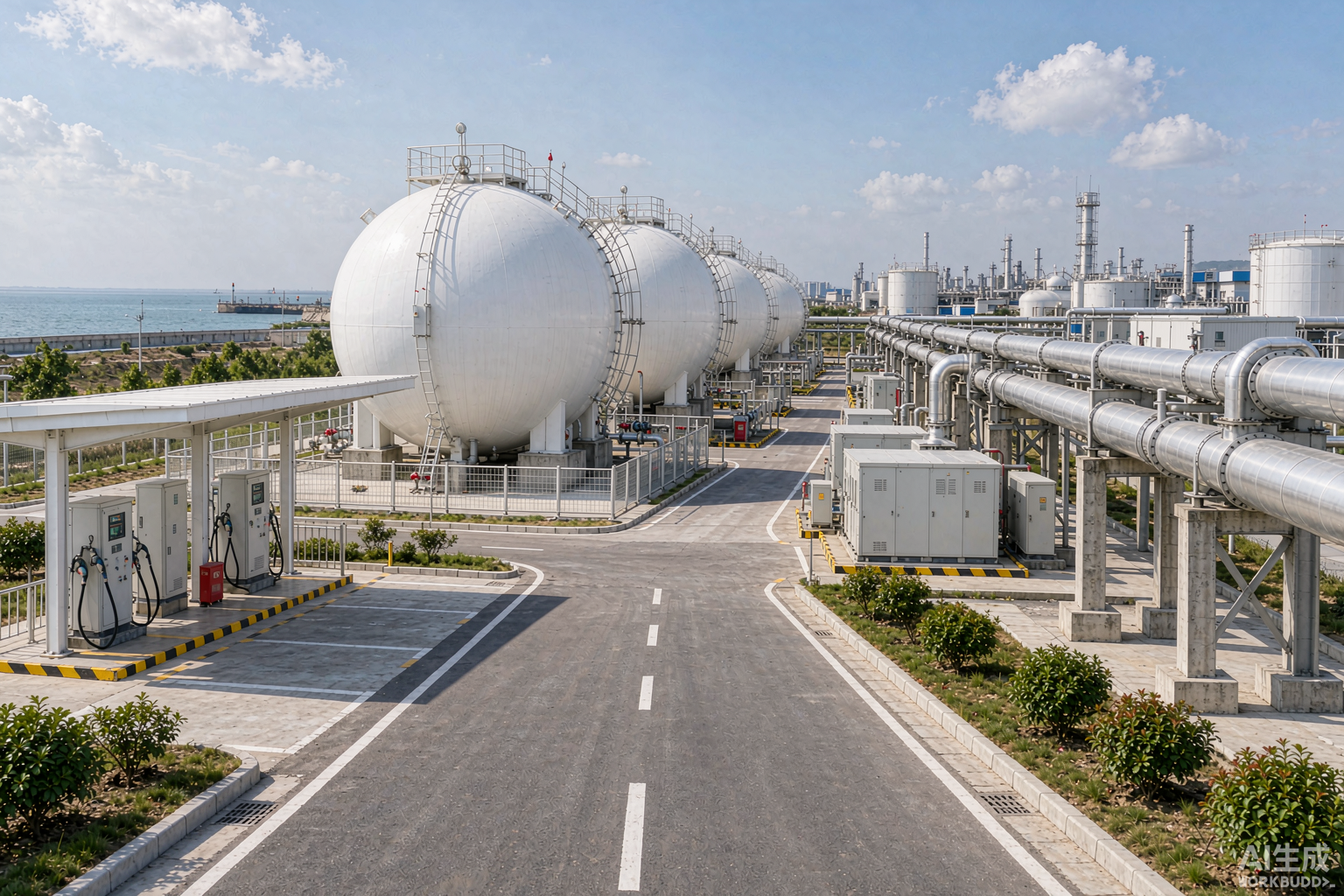
Hydrogen storage & transport facilities

With the MIIT-led pilot program for comprehensive hydrogen energy applications (MIIT-FM-NDRC [2026] No. 59), hydrogen refueling stations, pipelines and storage spheres are entering a period of concentrated construction. How should hydrogen equipment be protected against corrosion? JIANBANG breaks it down by scenario — acid–alkali resistance at the production end, and salt-spray / UV resistance for outdoor facilities.

Read more →

SEP 08, 2026 · TECH & INDUSTRY

Steel Ultra-Low Emission Final Sprint — How to Select Plant Corrosion Protection

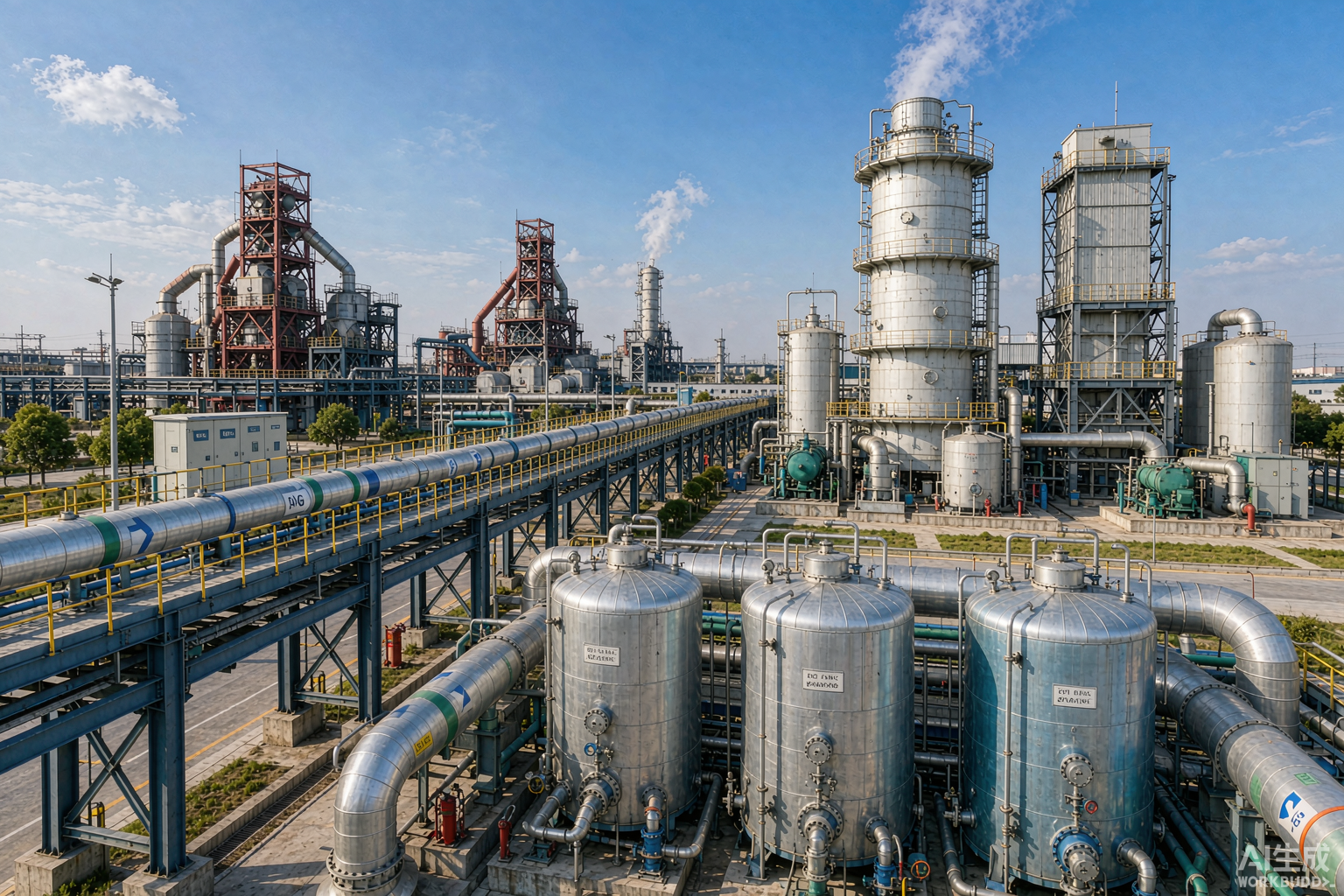
Steel plant pickling line, gas pipes and flue-gas treatment

304 steel mills retrofitted; pickling lines, gas pipes, flue-gas and structures need coatings. JIANBANG selects by section — cheaper and longer-lasting than blanket thickness.

Read more →

SEP 06, 2026 · TECH & INDUSTRY

Waste-To-Energy Furnace: High-Temp + Acid Erosion Dual Attack — How to Select Coatings?

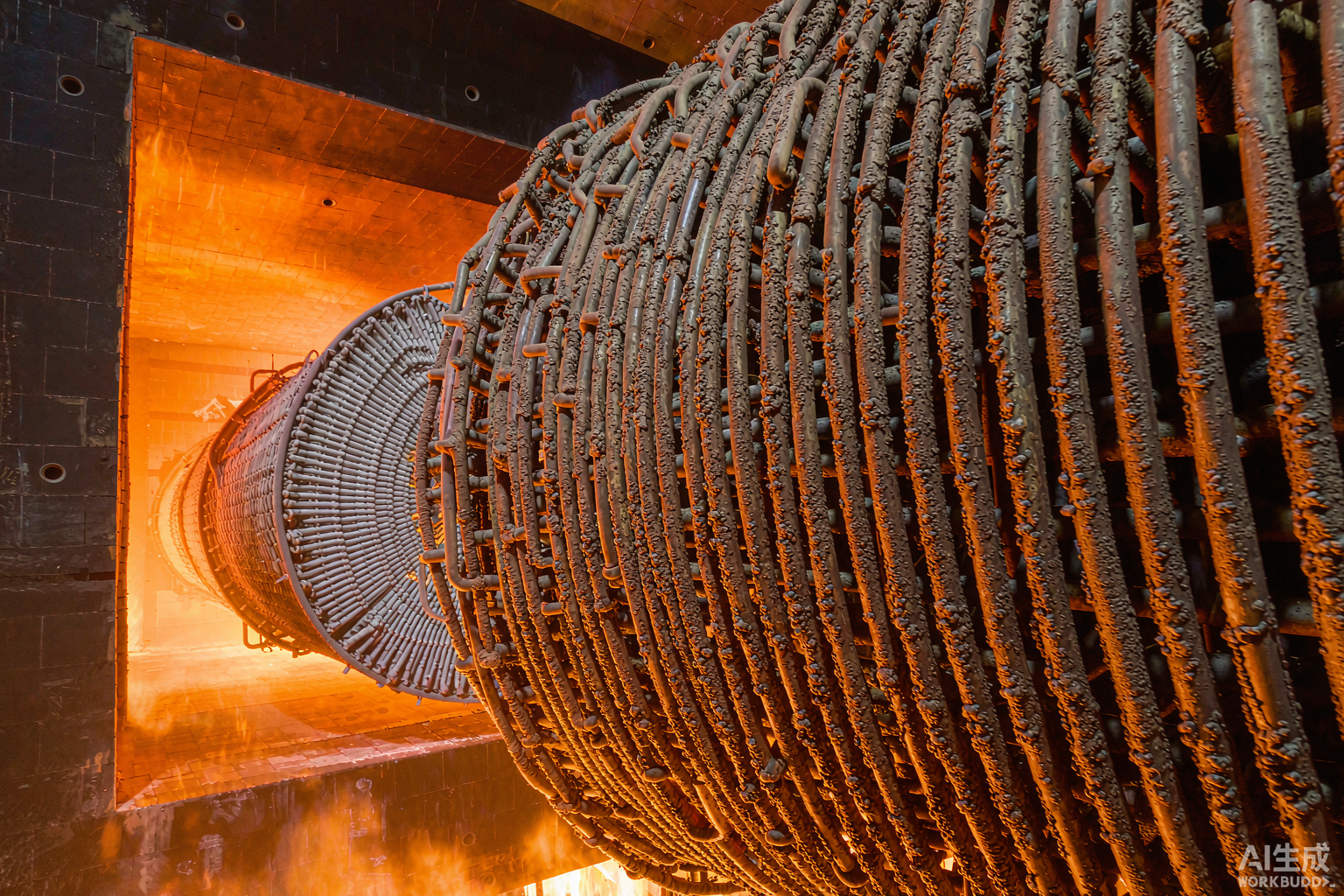
Waste incineration furnace water wall and superheater

Water walls and superheaters at 450–650°C plus acidic condensation. JIANBANG pairs JB-800 (ultra-high temp) and JB-015 (flue-gas lining) by temperature zone.

Read more →

SEP 05, 2026 · TECH & INDUSTRY

Strong-Acid Corrosion in LFP Production Lines Drives Upgrade — JIANBANG Selection

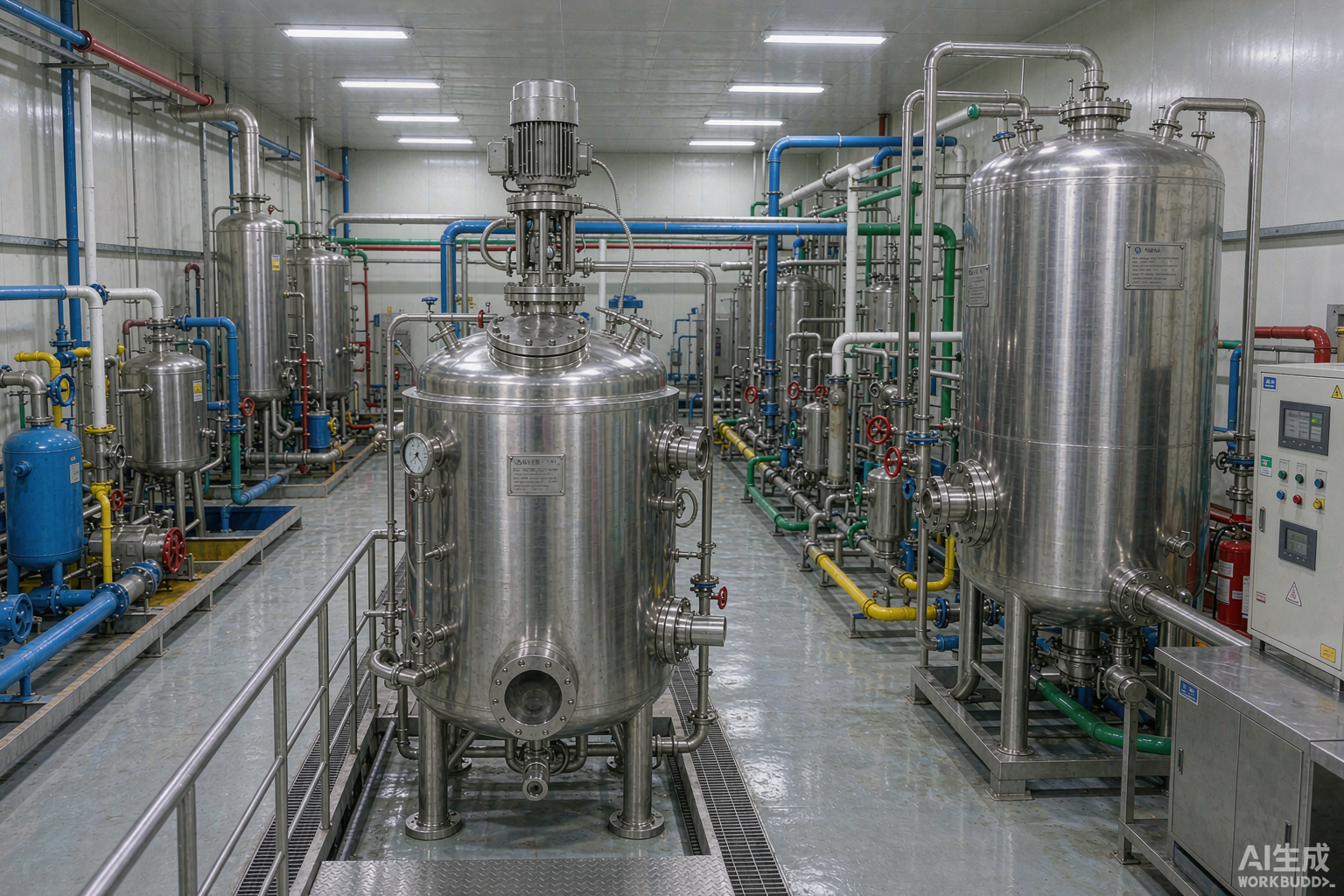
LFP battery material production line, reactors and storage tanks

Acid and HF media in lithium iron phosphate lines cause pitting. JIANBANG selects JB-98 (98% H2SO4), JB-406 (HF) and JB-8866 (solvents/caustic) by section and media.

Read more →

SEP 04, 2026 · TECH & INDUSTRY

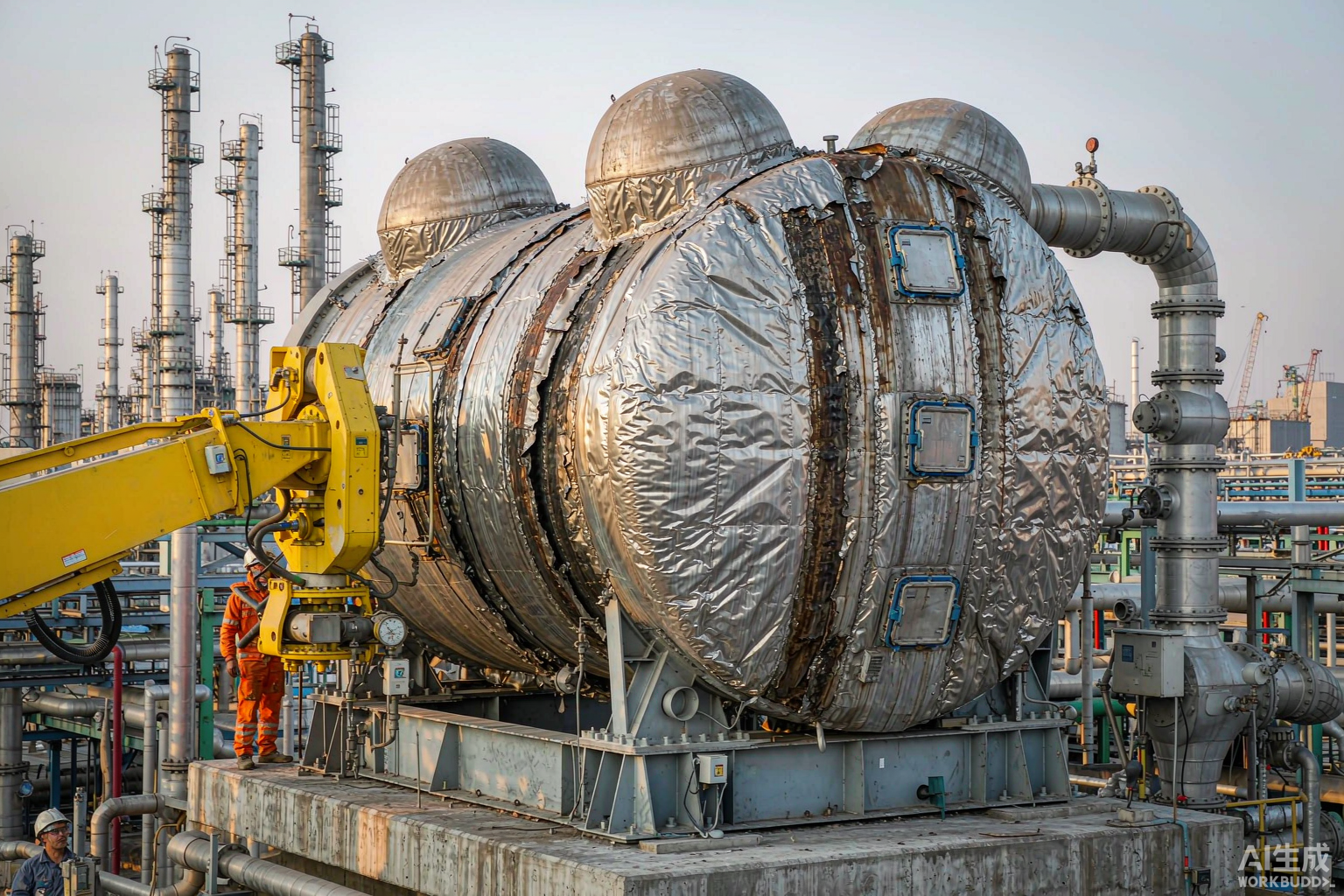
Corrosion Under Insulation Hard to Detect? Select Anti-Corrosion Layers During Petrochemical Aging-Plant Retrofit

Petrochemical tank with insulation cladding removed, showing CUI

CUI silently thins tank and pipe walls. During the 2026–2029 aging-plant retrofit window, JIANBANG applies JB-98/JB-800/JB-9618/JB-8866 as long-term priming before insulation.

Read more →

AUG 24, 2026 · TECH & INDUSTRY

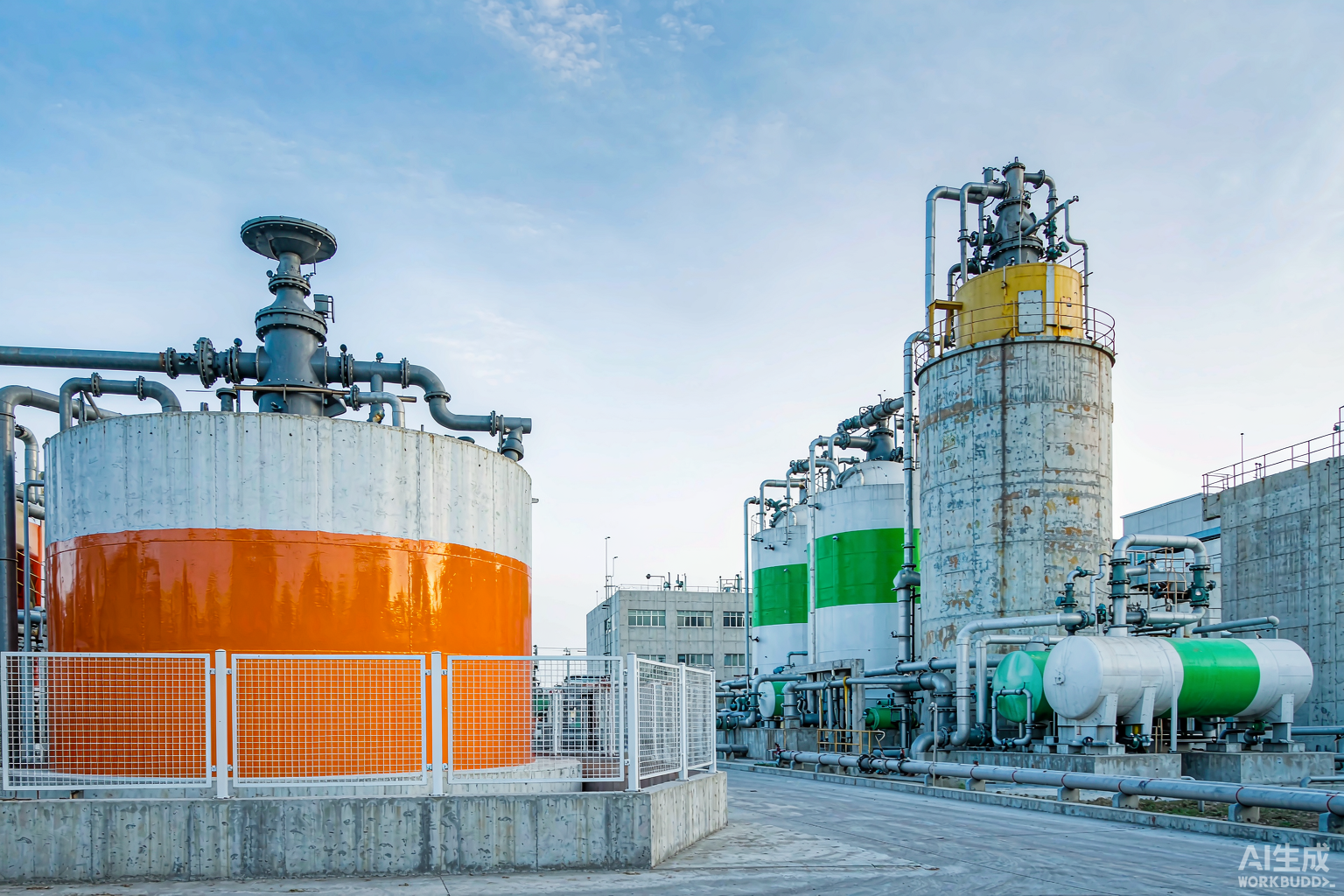
Hard-to-Protect Acid-Alkali Alternation in Sewage Pools? How to Select JIANBANG Acid/Alkali-Resistant Coatings

Chemical plant sewage pool and treatment tanks

Wastewater treatment stations face complex media, long immersion and drastic pH swings. JIANBANG selects JB-98 / JB-8866 / JB-406 by media, with solvent-free, high-solid systems aligned to GB30981-2025.

Read more →

AUG 17, 2026 · COMPANY

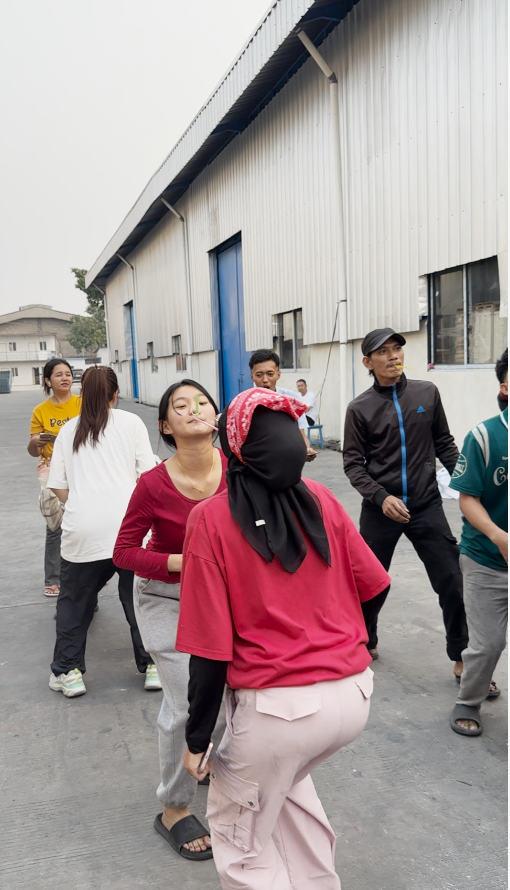
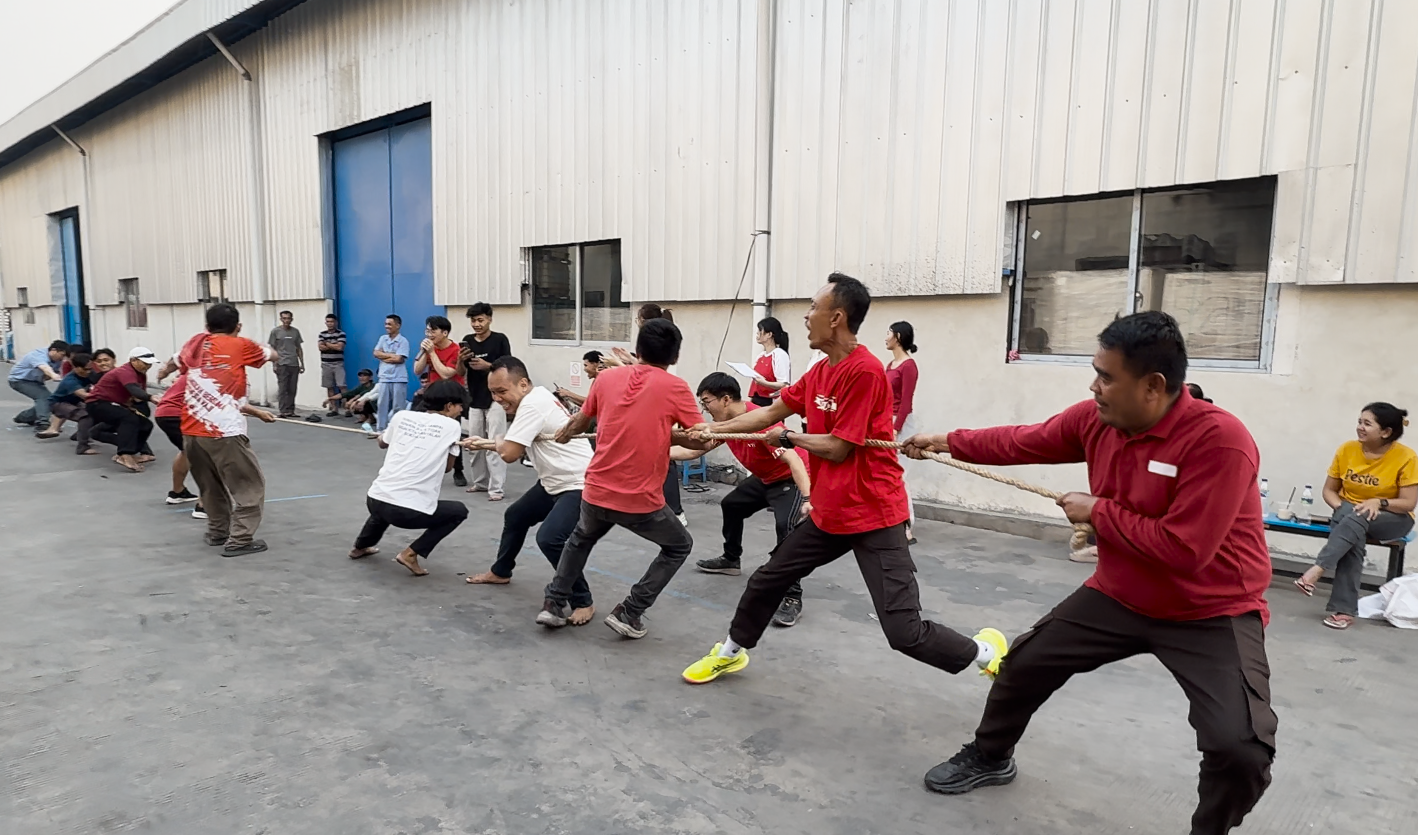
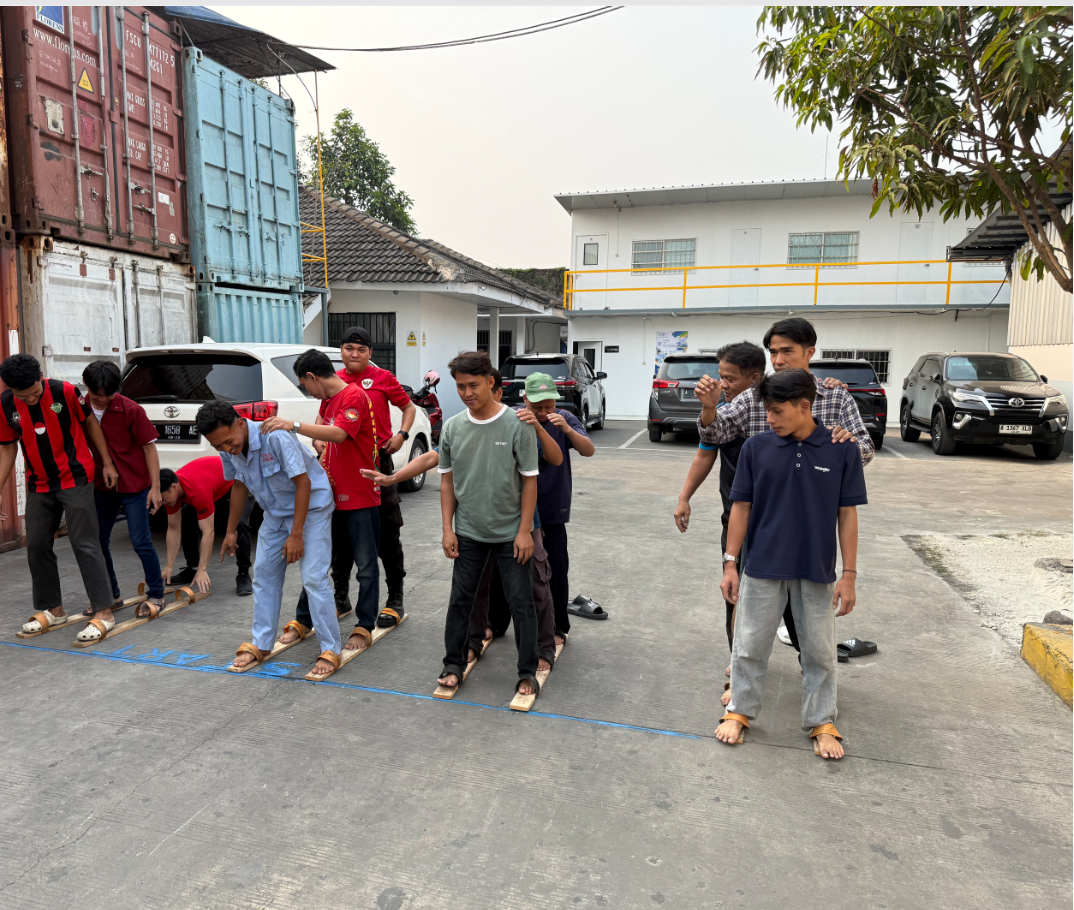
Celebrating Indonesia Independence Day — HUT RI Ke-81

On August 17, 2026, PT. JIANBANG PAINT INDONESIA gathered the whole team to celebrate the 81st Anniversary of the Independence of the Republic of Indonesia.

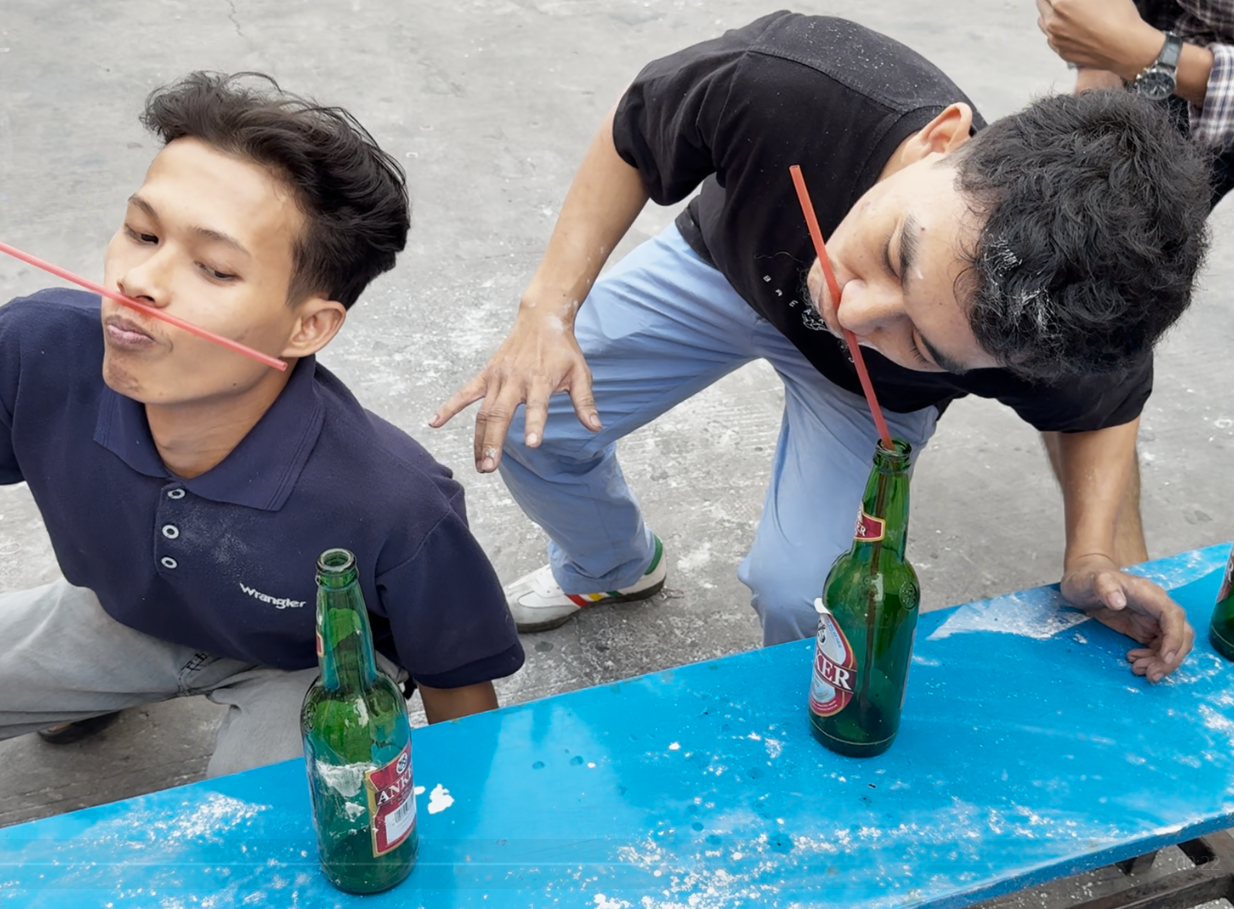
The event featured a full lineup of traditional Indonesian games: tug-of-war, bakiak (wooden-clog) race, rubber-band relay, cracker-eating contest, sack race and straw-into-bottle challenge. Laughter and cheers filled the yard as colleagues from every department joined in, with prizes for the top three finishers of every competition.

More than just games, the celebration was a chance to live the local culture, strengthen teamwork and show our commitment to being part of the Indonesian community. Hand in hand, we move forward together — the future keeps getting better!

HUT RI Ke-81 event poster PT JIANBANG PAINT INDONESIA team Traditional games at the celebration Fun competition moments
INDUSTRY · DELIVERY

Indonesia Project Deliveries

On-site coating supply and technical support for nickel-iron parks and high-speed rail across Indonesia.

TECH · STANDARD

Corrosion Technology & Standards

Practical guides on acid-resistant, high-temperature and marine coating selection.

CERT · HONOR

Exhibitions, Certifications & Honors

ISO, CE, ROHS/SRC/SASO updates and industry recognition.

COMPANY · TEAM

Milestones & Team

26 years of heavy-duty anticorrosion, R&D center and expert team.